

In the fast-paced world of the SaaS industry, the formidable challenges of product manager burnout and impostor syndrome are ever present and need to be faced head-on. The high demands of continually innovating, while managing teams and meeting market needs, can leave even the most seasoned professionals feeling overwhelmed and doubting their capabilities. However, there lies an untapped resource that can not only alleviate these pressures but also empower product managers to make confident, impactful decisions—direct user feedback informed by data. Understanding how to harness and interpret this valuable data can transform feelings of inadequacy into strength and decisiveness.
In this article, we’ll explore actionable strategies for overcoming product manager burnout and impostor syndrome by leveraging user feedback to guide your decisions, thereby enhancing both product management processes and personal resilience. With a focus on pragmatic solutions, we aim to equip you with the tools to turn challenges into opportunities for growth and innovation, solidifying your confidence and your role’s value within the SaaS sector.
What is Impostor Syndrome?
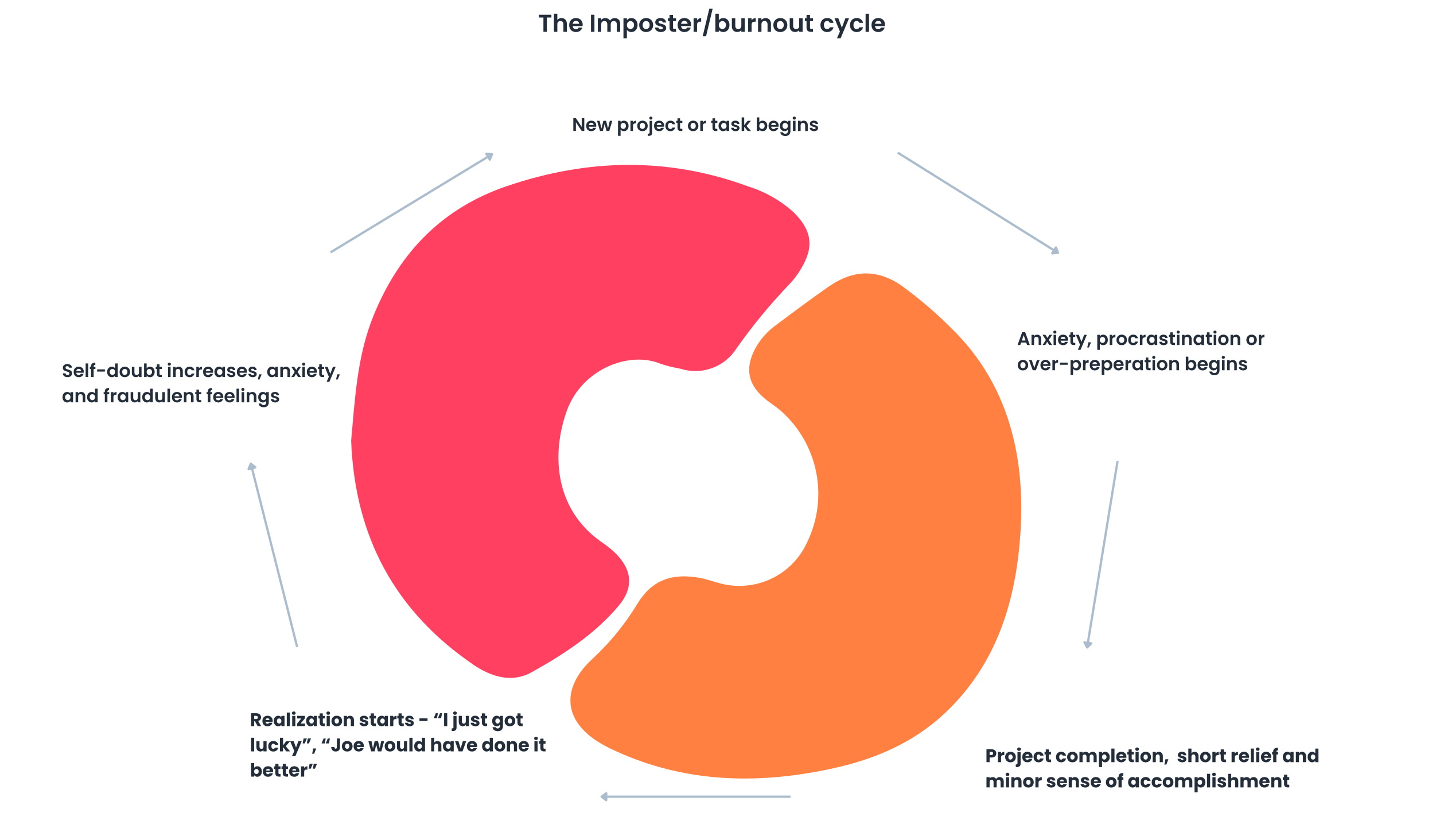
Impostor Syndrome, a psychological pattern where individuals doubt their accomplishments and fear being exposed as a “fraud,” is particularly prevalent among product managers in the SaaS industry. This syndrome can manifest due to the multifaceted role of a product manager, which requires a blend of technical, business, and interpersonal skills. Many product managers may feel they aren’t sufficiently expert in all these areas, leading to a persistent sense of inadequacy despite external evidence of their competence. Oftentimes, the sense of impostor syndrome can lead to product manager burnout as a secondary issue in the workplace.
Type 1: The Perfectionist
The Perfectionist sets excessively high goals for themselves and is never satisfied with their accomplishments. In the context of product management, this might involve stressing over every detail of a product launch or feeling like the product could always be improved, regardless of its success in the market.
Type 2: The Superwoman/man
The Superwoman/man feels compelled to work harder than those around them to prove their worth, often pushing themselves to the point of burnout. Product managers with this type might overcommit, taking on more projects or tasks than they can reasonably manage while maintaining quality and health.
Type 3: The Natural Genius
The Natural Genius has been accustomed to skills coming easily and may struggle when something requires a longer learning curve. For product managers, this could manifest as frustration or self-doubt when facing new technologies or market strategies that they can’t master immediately.
Type 4: The Soloist
The Soloist prefers to work alone, feeling that asking for help reveals their incompetence. In the collaborative environment of SaaS product management, this can become an obstacle to leveraging team strengths and resources effectively.
Type 5: The Expert
The Expert feels the need to know every piece of information before they start a project and continuously seeks out more certifications or training. For product managers, this might mean hesitating to make decisions or launch a product until they’ve gathered an unrealistic amount of information, potentially missing timely market opportunities.
By recognizing these types of Impostor Syndrome, product managers can begin to address their underlying fears, leveraging targeted strategies to build confidence in their skills and decisions. Ultimately avoiding the impostor syndrome and potential product manager burnout.
What Is Burnout and Its Symptoms?
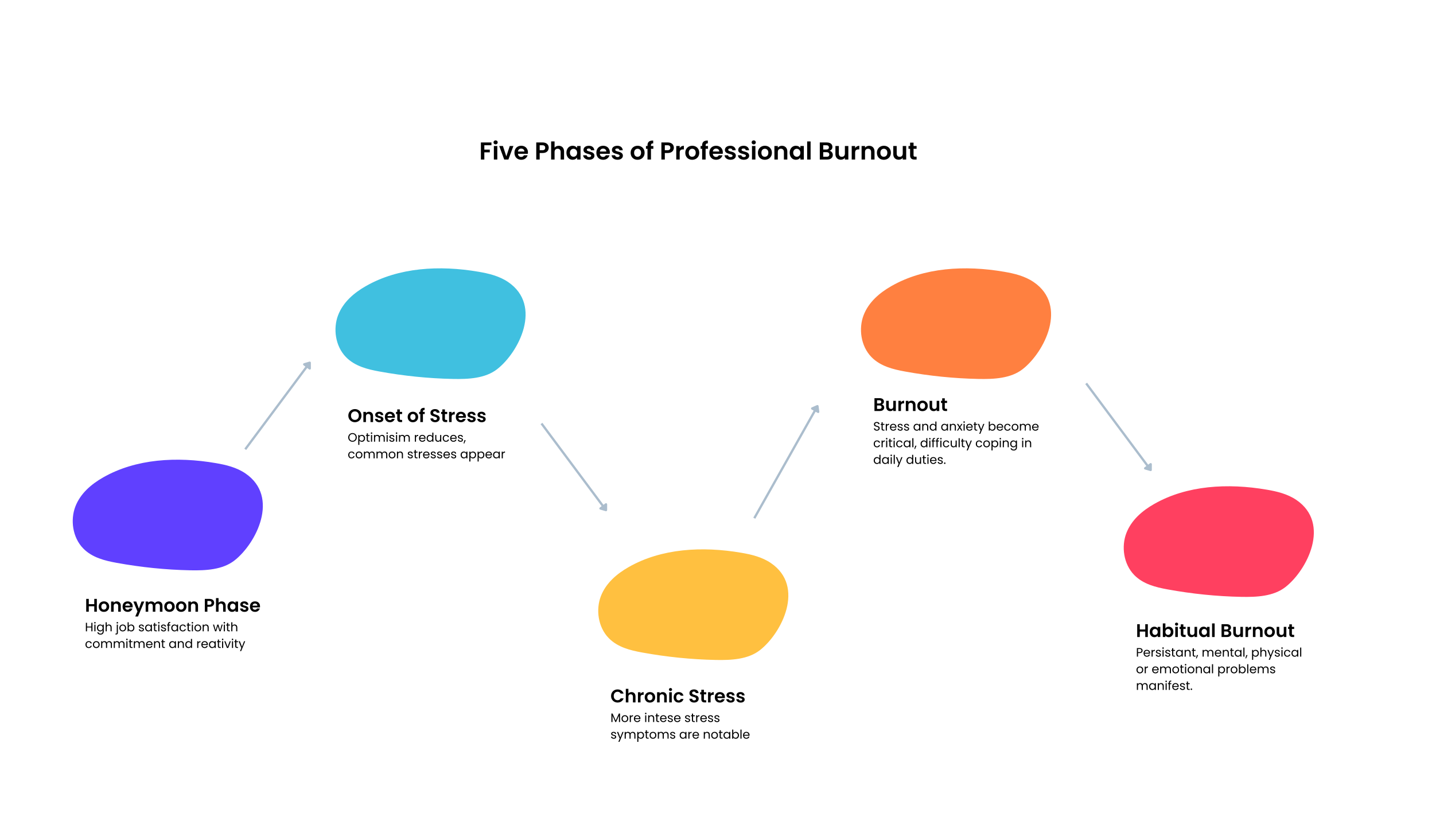
Product manager burnout is a state of emotional, physical, and mental exhaustion caused by prolonged stress and overwork. In the high-stakes environment of SaaS organizations, where product managers are often at the forefront of innovation and market adaptation, the risk of product manager burnout is significantly heightened. This condition not only undermines an individual’s health and happiness but can also impair their decision-making abilities and overall productivity.
Symptom 1: Decreased Productivity and Creativity
Product managers experiencing burnout may find their usual wellspring of creativity and efficiency dwindling. Tasks that once felt exciting or straightforward now seem insurmountable, leading to delays in product development and launch timelines.
Symptom 2: Cynicism and Detachment
A growing sense of detachment from one’s work and colleagues is a common sign of burnout. Product managers might become cynical about their projects and skeptical of their impact, making it difficult to stay motivated and engaged with their teams.
Symptom 3: Physical Exhaustion
Chronic fatigue is a hallmark symptom of burnout. Despite adequate rest, those affected may constantly feel drained, impeding their ability to focus and contribute effectively during work hours.
Symptom 4: Increased Irritability
Heightened irritability, especially in response to minor annoyances or disruptions, can indicate burnout. This symptom not only affects a product manager’s performance but can also strain team dynamics and collaboration.
Symptom 5: Feelings of Inadequacy
Similar to impostor syndrome, burnout can elicit persistent doubts about one’s competencies and achievements. Product managers may feel they are not doing enough, further exacerbating stress and the risk of burnout.
Recognizing these symptoms is the first step towards addressing and mitigating burnout among product managers in SaaS organizations, thereby safeguarding both their well-being and their ability to drive successful products.
What Does This Look Like For Product Managers?
For product managers in the rapidly evolving SaaS sector, recognizing and navigating the complexities of Impostor Syndrome and burnout is crucial for sustained success and innovation. These professionals stand at the crossroads of technology, business strategy, and customer experience, making their role both exhilarating and demanding. The multifaceted nature of this position means that product managers are particularly susceptible to the doubts and stresses associated with Impostor Syndrome and burnout.
To combat these challenges, a solution-focused approach involves leveraging feedback loops with customers and internal teams to validate decisions and progress. Encouraging a culture of openness and support helps in mitigating feelings of having to face challenges solo or the need to prove one’s worth continuously. Additionally, prioritizing self-care and setting realistic goals can prevent burnout by maintaining a balance between work and personal life. Product managers should recognize that seeking perfection in every aspect of the product or fearing to make decisions without exhaustive research can lead to missed opportunities and stifle innovation.
By understanding these concepts, product managers can develop strategies to bolster their confidence, optimize their performance, and maintain their health. This involves creating an environment where learning from feedback, collaborating effectively, and acknowledging one’s accomplishments become the pillars of their professional mindset. Through this lens, challenges metamorphose into opportunities for growth, driving both personal and product success within the dynamic landscape of SaaS.
Overcoming Product Manager Burnout and Impostor Syndrome
Overcoming Impostor Syndrome and burnout is paramount for product managers striving to thrive in the high-pressure, fast-paced SaaS industry. Both conditions, if left unchecked, can severely hamper a manager’s ability to lead with decisiveness and creativity. However, with the right strategies and mindset, these obstacles can be transformed into stepping stones towards greater resilience and confidence. Below are five actionable tips that can help product managers combat these challenges, incorporating them into their daily routines to ensure sustained performance and well-being.
1. Set Realistic Goals and Celebrate Achievements: Break down large projects into manageable tasks, setting clear and achievable goals. Celebrate each milestone, no matter how small, to reinforce a sense of accomplishment and progress.
2. Lean into data and user feedback to avoid uncertainty: The uncertainty of product guesswork can be a significant contributor to impostor syndrome and burnout as product decisions made on gut feel and internal views and not based on direct feedback and data fail to deliver meaningful impact. By prioritizing real-world insights, product manager burnout can be reduced as more decisions result in more positive business impact.
Another data and feedback you need to lean on is worker’s data. Mainly if your team works from home, then you need to implement remote employee tracking software solutions in order to monitor the workflow. This way you will have immediate access to the process of the work, wellbeing of the workers and issues that cause you and your team to feel burnout. Therefore, the business will also grow and develop in the right direction, as the workers and the manager will remain stress free.
3. Prioritize Self-Care: Incorporate regular self-care practices into your routine, such as exercise, meditation, or hobbies. Self-care is crucial for maintaining mental and physical health, enabling you to tackle challenges with a clearer mind.
4. Limit Perfectionism: Practice accepting that not everything needs to be perfect. Apply the 80/20 rule (Pareto Principle) to focus on tasks that yield the most significant results, reducing unnecessary stress and time spent on less impactful details.
5. Seek Professional Support When Needed: Recognize when to seek help from a mental health EHR professional. They can provide strategies and coping mechanisms for managing impostor syndrome and burnout effectively.
By intentionally integrating these practices into their workflow, product managers can foster an environment that mitigates the impacts of Impostor Syndrome and burnout, leading to improved performance, innovation, and satisfaction in their roles.
Make Your Job Easier With Userback
The intricacies of navigating the pressures inherent in product management, particularly within the SaaS industry, necessitate a proactive stance towards managing Impostor Syndrome and burnout. The strategies outlined above — setting realistic goals, leaning into data and user feedback, prioritizing self-care, limiting perfectionism, and seeking professional support — are foundational pillars in building resilience and promoting a sustainable, fulfilling career.
A user research and feedback platform plays a pivotal role in operationalizing many of these strategies. By facilitating a direct line of communication with users, platforms like Userback can significantly diminish uncertainty and decision fatigue, two common triggers for impostor syndrome and burnout. By grounding decisions in real-time user insights rather than guesswork, product managers can not only drive product success but also bolster their confidence and reduce stress. Additionally, the analytic capabilities of these platforms enable product managers to measure progress and celebrate achievements, further reinforcing a healthy, accomplishment-driven mindset.
In the pursuit of excellence and innovation, it’s essential for product managers to recognize that perfection is an elusive, often counterproductive goal. User research and feedback platforms help by demystifying user needs and providing clear, actionable data, thereby allowing product managers to focus their efforts on what truly matters. This, in turn, makes the goal-setting process more manageable and achievements more tangible.
Lastly, the integration of such platforms can encourage a culture of continuous learning and improvement. By capturing and acting on user feedback, product managers not only enhance the product but also their professional skills, continuously evolving to meet the dynamic challenges of the SaaS landscape.
A user research and feedback platform is not merely a tool for enhancing product development; it’s a critical support system for product managers, helping lessen the burden of impostor syndrome and burnout. By making informed decisions, celebrating progress, and maintaining an optimal balance between work and personal life, product managers can look forward to a rewarding career, marked by growth, innovation, and satisfaction.
Get started with a risk-free Userback trial and start collecting real-time user feedback to make the data-driven decisions you need to succeed now, and into the future.