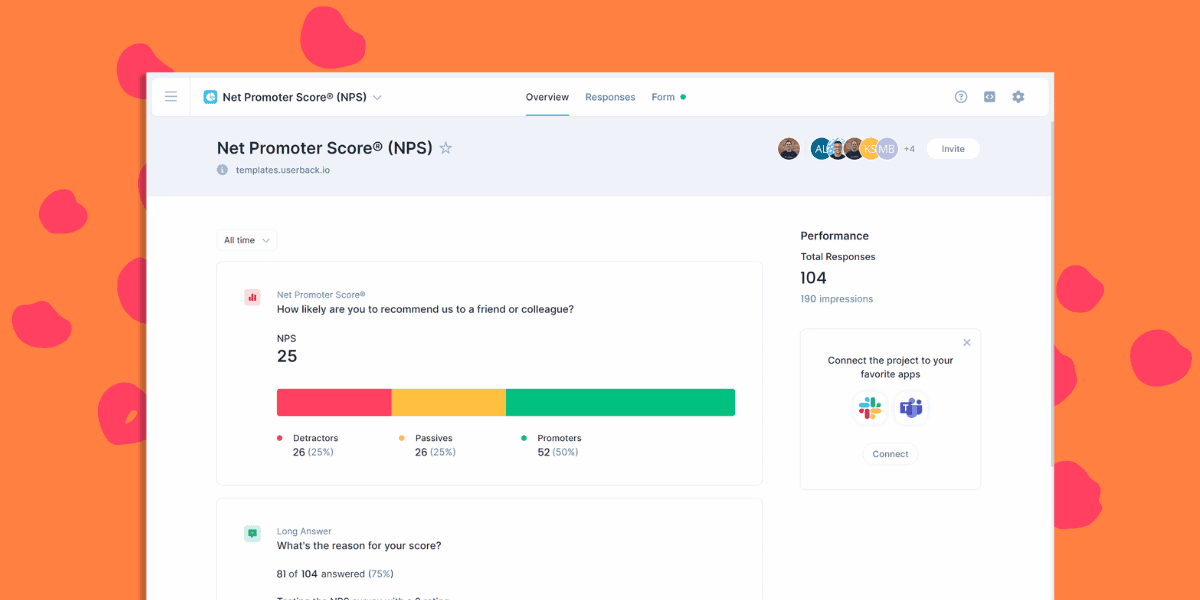

Data driven product management is a methodological approach that prioritizes data as the primary factor in decision-making processes regarding product development, management, and optimization.
Unlike traditional approaches, where intuition, experience, or market analysis might lead, data driven product management empowers teams to make informed decisions backed by quantitative evidence. This method leverages data from a variety of sources, including user interactions, A/B testing results, market trends, and user feedback, enabling a more dynamic response to the market and user needs.
The key difference between data driven product management and other product management methodologies lies in its reliance on empirical evidence over gut feeling or past experiences. While traditional methods often depend on the accumulated knowledge and instincts of product managers, data driven product management (also referred to as DDPM for those who love acronyms) instead places a strong emphasis on measurable outcomes and objective data analysis.
This shift not only facilitates a more scientific approach to product development but also allows for constant iteration and improvement based on actual user engagement and response, leading to products that more accurately meet the needs and preferences of their target audience.
The Importance of Data Driven Product Management
In today’s fast-paced and increasingly digital landscape, data driven product management is critical for staying ahead of the curve. It enables organizations to pivot quickly based on real-time insights, reducing the risk of product failure while maximizing the potential for innovation and user satisfaction. The approach not only streamlines product development cycles but also ensures that decisions are made with precision and confidence, ultimately driving superior products to market faster and more efficiently.
Data Driven Product Management Best Practices
1. Implement Comprehensive Data Collection Systems: For SaaS teams, it’s crucial to have robust data collection mechanisms in place. This includes tracking user behavior within the application, monitoring feature usage, and understanding customer feedback through various channels. A well-rounded data collection approach ensures you’re capturing the full spectrum of insights necessary to inform your product decisions.
“Comprehensive data collection is at the core of creating responsive and adaptive products. At Wave Connect, we’ve built a data-driven culture by implementing tracking mechanisms that capture detailed user interactions, feature engagement, and feedback from multiple channels. This approach aligns with best practices in data-driven product management, allowing us to transform raw data into actionable insights”, says George El-Hage, CEO of Wave Connect.
2. Foster a Culture of Experimentation: Encourage continuous A/B testing and experimentation within your team. By systematically testing hypotheses and analyzing the results, SaaS teams can iteratively improve their offerings. This fosters an environment where data-driven decision-making thrives, leading to products that better serve customer needs and preferences.
3. Prioritize Actionable Metrics: Focus on key performance indicators (KPIs) that directly relate to your product’s goals and customer success. For SaaS products, metrics like monthly active users, churn rate, and customer lifetime value provide actionable insights that can guide strategic decisions and optimizations.
4. Leverage Predictive Analytics: Utilize advanced analytical techniques to forecast future trends based on historical data. For SaaS teams, this means predicting customer behavior, identifying potential churn risks, or uncovering opportunities for upselling. Predictive analytics can be a powerful tool in making pre-emptive adjustments to your product strategy, ensuring you stay one step ahead of user needs and market demands.
Improve Your Data With Userback
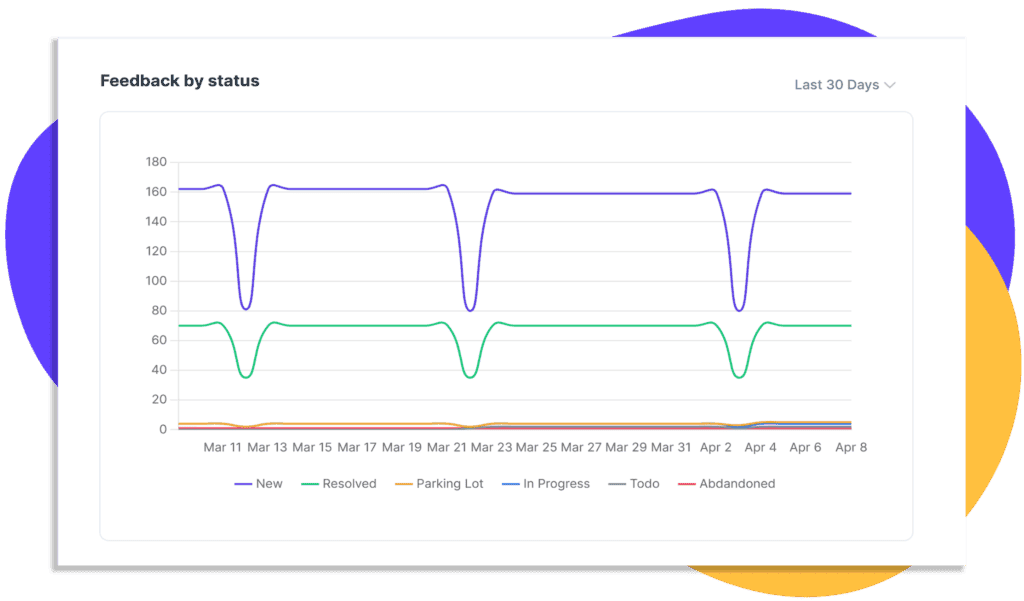
In the realm of Data Driven Product Management, in-app surveys emerge as a quintessential tool for harvesting actionable insights directly from the users, thereby solidifying the data-focused approach. By integrating CSAT (Customer Satisfaction Score), NPS (Net Promoter Score), and feature validation surveys within the product experience, product teams can gain a nuanced understanding of user sentiment and needs.
- CSAT Surveys offer a straightforward gauge of customer satisfaction related to specific interactions or overall product use. Placing these surveys post-interaction or after achieving a milestone within the app allows teams to capture immediate feedback that reflects the user’s current state of satisfaction, guiding refinements and enhancements with precision.
- NPS Surveys serve as a broader measure of customer loyalty and product advocacy by asking users how likely they are to recommend the product to others. This metric not only sheds light on the product’s strengths but also identifies areas that may be undermining user trust or satisfaction, spotlighting opportunities for impactful changes.
- Feature Validation Surveys are targeted tools used to assess the relevance, usability, and impact of new or existing features within the app. By querying users directly about their experiences and perceptions of specific features, product teams can validate assumptions, prioritize development efforts, and realign their strategies to more closely match user expectations and needs.
Integrating these surveys into the product experience positions product teams to make well-informed decisions rooted in user feedback, propelling the development of solutions that resonate more deeply with the target audience. This approach not only reinforces a commitment to excellence but also fosters a culture of continuous improvement and innovation.
Leveraging ongoing in-app feedback loops is a strategic imperative for any data driven product management team aiming to make cognizant and impactful product decisions. The deployment of feedback widgets within your digital product serves as a critical element in this process. These widgets empower users to readily convey their thoughts and experiences in real-time, ensuring a steady stream of valuable insights.
Feedback Widgets enable the collection of standardized feedback, which, when centralized, provides a coherent, comprehensive picture of user sentiment and behavior. This consolidation of data is paramount for product managers, as it simplifies the interpretation process, allowing for swift, informed decision-making. Acting on this centralized feedback means product enhancements are not just reactive but strategically foresighted, aligning closely with user expectations and needs.
In essence, these ongoing feedback mechanisms foster a dynamic, iterative loop where product decisions are continuously refined based on up-to-date user feedback. This not only elevates the product to meet and exceed user expectations but also instils a culture of responsiveness and adaptability within the product management team.
Integrating a Public Feature Portal into your product’s ecosystem represents a revolutionary step forward in harnessing community insight for data driven product management. This digital forum allows users to submit, vote on, and discuss features and issues that matter most to them. For data driven product managers, this portal is a goldmine of actionable data, providing a clear, democratized view of user priorities and preferences.
By closely monitoring this community engagement, product managers can identify which features or fixes are in the highest demand, enabling a prioritization strategy that aligns with actual user needs. This direct line of sight into the collective voice of the user base aids in refining the product roadmap, ensuring that development efforts are squarely focused on initiatives that drive toward product-market fit. The portal does more than just gather data; it fosters a participatory culture where users feel their input directly influences the product evolution. This not only enhances user satisfaction but also bolsters loyalty, as users see their contributions manifest in tangible improvements.
A Public Feature Portal is not merely a feedback tool—it’s a strategic asset that empowers product managers to make informed decisions, elevates user engagement, and accelerates the journey to achieving product-market fit with confidence and precision.
Centralizing user research and feedback significantly streamlines the decision-making process, offering a robust, unified view of user insights that is both rapid and reliable. This consolidation facilitates immediate access to a comprehensive dataset, enabling product managers to swiftly identify patterns, trends, and user sentiments. By removing the need to cross-reference information from disparate sources, decision-makers can act with greater agility, ensuring that data driven product strategies and improvements are implemented promptly. Furthermore, this approach enhances the accuracy and confidence in data-driven decisions. When all user input is amalgamated, it diminishes the risk of overlooking crucial feedback or misinterpreting isolated data points. Ultimately, leveraging a unified platform for user research and feedback not only accelerates the pace of informed decision-making but also enriches the quality of those decisions, ensuring they are deeply rooted in a thorough understanding of user needs and expectations.
Closing It Out: A Holistic View With Userback
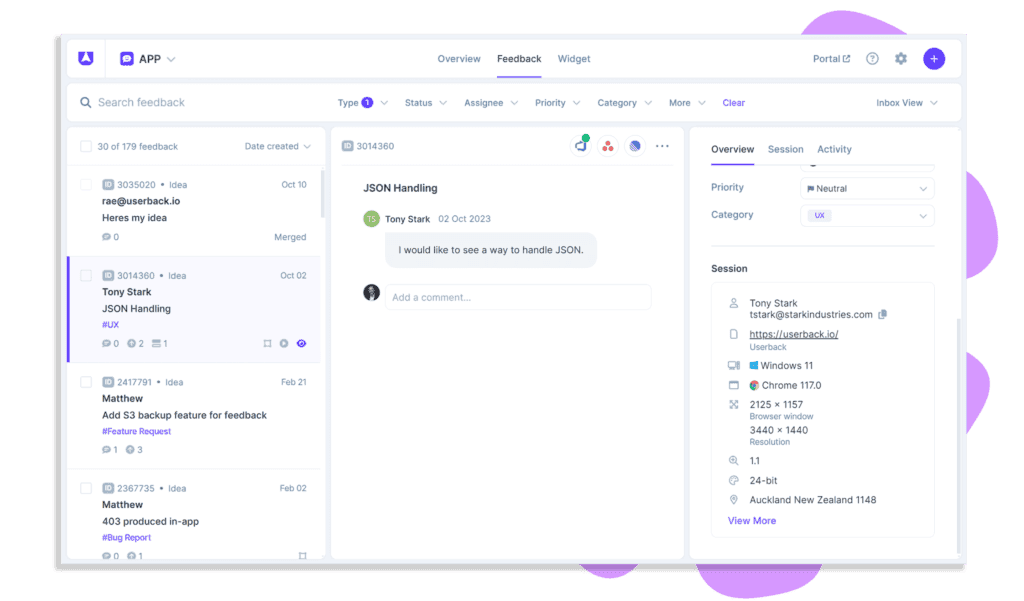
In summarizing the key points of data driven product management, by integrating User Satisfaction Surveys, NPS Surveys, Feature Validation Surveys, Feedback Widgets, a Public Feature Portal, and centralizing user research and feedback, product managers can harness a holistic view of user sentiment and behavior and bring data to their daily lives and decisions.
These data driven product management tools collectively enable the identification of user needs, prioritization of feature development, and alignment of product strategies with real user expectations. Furthermore, Userback’s capabilities in streamlining the feedback collection and analysis process not only foster continuous product improvement and innovation but also cultivate a responsive and adaptable product management practice. Ultimately, through strategic utilization of tools like Userback, teams can accelerate the path to achieving product-market fit, reinforcing a commitment to delivering solutions that resonate deeply with their target audience.
You can turn your role into one of data and user insights with Userback. Start free today!