
A key element of customer feedback is how you respond. While it’s obvious that negative feedback requires attention, responding to positive feedback is just as important. Engaging with happy customers strengthens relationships, boosts brand reputation, and encourages further advocacy.
In this article, we’ll cover why responding to positive reviews is essential, provide best practices for crafting thoughtful responses, and share examples you can use to engage and strengthen relationships with your happy customers.
Before we dive into how to respond to positive reviews, it’s important to understand what they are and why they matter.
What Is a Positive Review?
A positive review is feedback that praises your product, service, or customer experience. It might highlight a feature they love, an exceptional support interaction, or simply a positive experience overall.
Where Do Positive Reviews Come From?
There are many sources for customer feedback and positive reviews can appear in various channels, including:
- Feedback tools like Userback, where customers provide direct insights.
- Customer support interactions, where follow-ups reveal customer satisfaction.
- Online review sites such as G2, Trustpilot, and Google Reviews.
- Social media comments where users share their enthusiasm.

Differentiating Positive and Negative Reviews
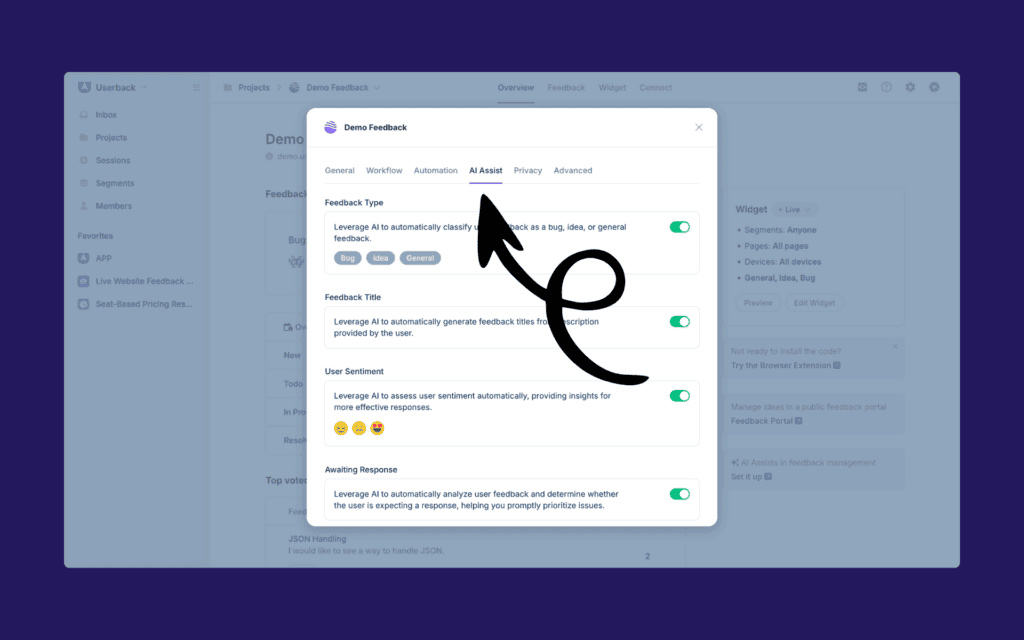
Sometimes, feedback isn’t clearly positive or negative—it may contain both praise and constructive criticism. Tools like Userback’s AI Assist can automatically analyze sentiment, helping teams quickly identify good reviews and bad reviews so they can be responded to appropriately.
Why is it Important to Respond to Positive Reviews?
Many businesses focus on addressing complaints but overlook positive feedback. Here’s why responding to happy customers matters:
- Strengthens relationships: Acknowledging feedback makes customers feel valued.
- Encourages customer loyalty: Engaging with satisfied customers increases the chances of repeat business.
- Boosts brand perception: Public responses on review platforms enhance credibility.
- Increases word-of-mouth referrals: Happy customers are more likely to share their experiences when they receive a response.
How to Respond to Positive Reviews
1. Thank the Customer
Always start by expressing gratitude. Keep it simple and sincere.
Example: “Thank you for your awesome review! We’re so glad you’re enjoying our product.”
2. Personalize your Response
Avoid generic replies. Address the customer by name and reference specific details from their review.
Example: “Hi Alex, we’re thrilled to hear that our latest update has improved your workflow! Thanks for sharing your positive experience with us.”
3. Reinforce the Positive Aspect
Highlight the feature or benefit they appreciated.
Example: “We love hearing that our automation features are saving you time! We designed them with efficiency in mind, and it’s great to know they’re making a difference. Your feedback motivates us to do even better.”
4. Encourage Further Engagement
Invite the customer to stay connected, leave another review, or share their experience.
Example: “We’d love to hear more about how you’re using our tool. Feel free to reach out anytime!”
5. Use Response Templates for Efficiency
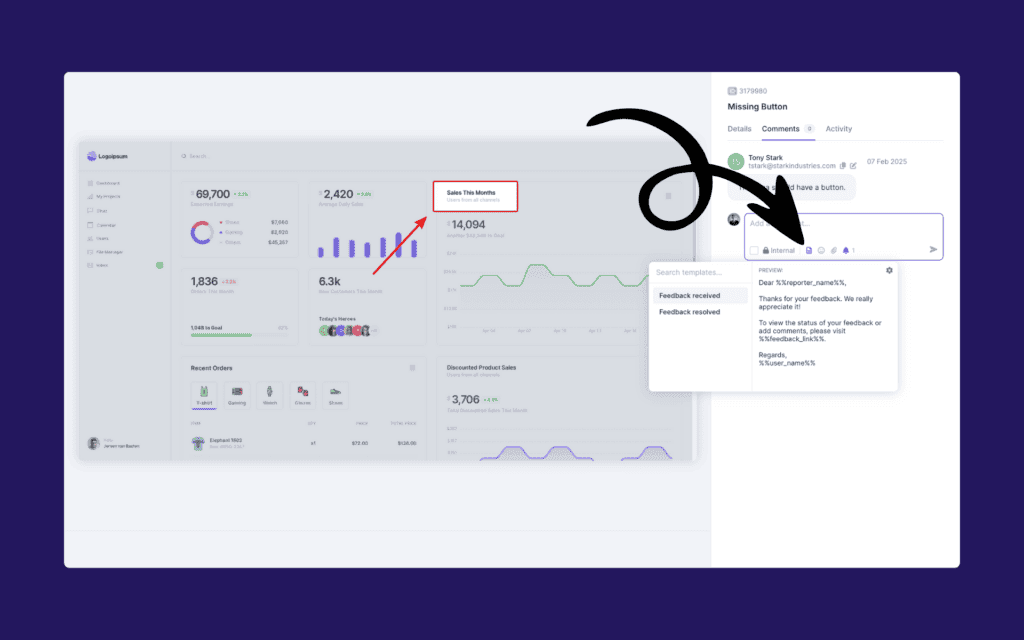
Using Userback’s Response Templates, you can streamline responses while keeping them warm and engaging. Templates ensure consistency and speed, especially for frequent feedback.
Example: “Thanks, [Customer Name]! We’re so happy to hear you’re enjoying [specific feature/service]. Your support means the world to us!”
Examples of Great Positive Review Responses
Responding to positive reviews is an art, but it doesn’t need to be tricky. Here’s a list of best positive review response examples you can use to save time and show that you care about customer feedback.
Positive Review Response Examples (Short)
- “Thanks for the awesome review, Sarah! We’re so happy to hear you’re loving our platform. 😊”
- “Appreciate your kind words, James! We’ll keep improving to serve you better.”
- “Thank you for your feedback! We love having customers like you.”
- “So glad you’re enjoying it, Emily! Let us know if you ever need anything.”
- “Your support means a lot, Mark! Thanks for being part of our community.”
Positive Review Response Examples (Long)
“Hey Julia, thank you so much for your 5-star review! We work hard to create a seamless experience, and it’s amazing to hear that our tool is making a difference for you. If you ever have suggestions, we’d love to hear them!”
“Thanks, Peter! We truly appreciate your feedback and are delighted that our customer support team could assist you. We’ll share your wonderful review with the team—they’ll be thrilled!”
“Hi Anna, we’re so happy to hear that our latest update has improved your workflow! Our goal is always to enhance your experience, and your glowing review reassures us that we’re on the right track.”
“Hey Tom, thank you so much for taking the time to leave valuable feedback with a five-star review! We love helping businesses streamline their feedback process, and we’re excited to continue improving for you. Keep the insights coming!”
“Wow, Sophie, your kind words made our day! We appreciate your support and are thrilled to hear about your positive experience. Thanks for choosing us!”
How to Respond to Reviews with Negative Feedback
Handling negative feedback and ensuring that you respond to negative reviews properly can turn dissatisfied customers into loyal advocates. Here’s how to respond effectively and let the customer know you care.
1. Stay Calm and Professional
Negative feedback can be frustrating, but responding professionally and empathetically can defuse tensions and show that you take feedback seriously.
Example: “Thank you for your feedback, Alex. We’re sorry to hear about your experience and would love the chance to make things right.”
2. Acknowledge the Issue
Recognizing the customer’s frustration and providing a response shows empathy and validates their concerns.
Example: “We understand how frustrating this must be, and we appreciate you bringing it to our attention.”
3. Offer a Solution
Provide a resolution or next steps to address their issue. If needed, take the conversation offline to resolve it privately.
Example: “We’d love to look into this further for you. Could you reach out to our support team at [contact email] so we can assist you directly?”
4. Take Responsibility (If Applicable)
If the issue was a mistake on your end, acknowledge it and outline steps to prevent it from happening again.
Example: “You’re absolutely right, and we apologize for the oversight. We’re taking immediate steps to ensure this doesn’t happen again and look forward to serving you better in the future.”
5. Follow Up
If you’ve resolved the issue, follow up with the customer to see if they’re satisfied with the outcome.
Example: “We appreciate your patience and hope our team was able to resolve your concern. Please let us know if there’s anything else we can do!”
How Userback Helps With Responding to Customer Feedback and Positive Reviews
Userback provides powerful features to streamline how you manage and respond to feedback, ensuring a fast and thoughtful response every time.
AI Assist
Userback’s AI Assist automatically analyzes feedback sentiment, helping you quickly differentiate between positive and negative reviews. This ensures you can prioritize responses effectively.
Response Templates
With templates, responding to feedback is faster and more consistent. You can create reusable templates while still adding personalization to keep responses engaging and authentic.
Surveys
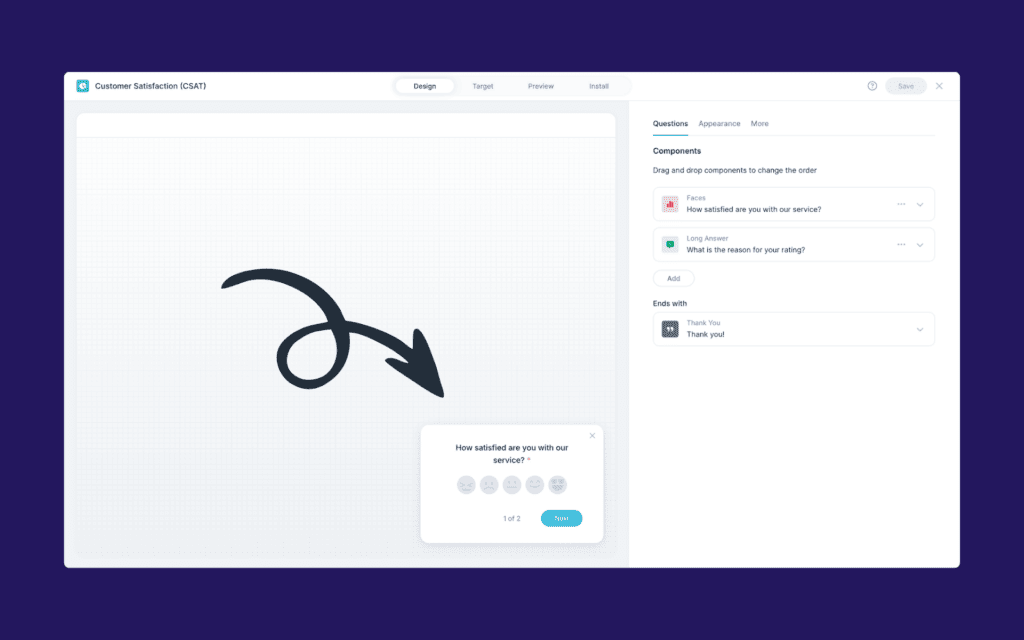
Userback’s Surveys allow you to gather deeper insights into customer sentiment, helping you craft responses that are more relevant and impactful.
By leveraging these tools, you can enhance your customer interactions, build stronger relationships, and ensure no feedback goes unanswered.
Start engaging with your customers more efficiently today with Userback!
Looking for customer feedback tools?
Userback is an all-in-one feedback solution for product teams to collect more feedback and act on it faster.
Review Responses FAQs (tips on responses to positive reviews)
Why should I respond to positive reviews?
Responding to positive reviews helps build stronger customer relationships, reinforces customer loyalty, and encourages repeat business. Your positive feedback response also shows appreciation and can turn happy customers into long-term advocates.
How quickly should I reply to positive customer reviews?
Aim to respond within 24-48 hours to show customers that you value their input. A timely response demonstrates engagement and enhances your brand’s reputation. On the other hand, negative reviews require more haste so try to respond to negative customer reviews as quickly as possible.
What should I include in a response to a positive review?
A well-crafted response should:
- Express gratitude
- Personalize the message
- Reinforce the positive aspect mentioned
- Encourage further engagement
Can I use templates to respond to customer feedback?
Yes! Userback’s Response Templates make it easy to respond quickly while maintaining a personal touch. Templates help ensure consistency and efficiency, especially when handling a high volume of feedback.
How can I personalize my responses to customers?
To make your responses more engaging:
- Address the customer by name
- Reference specific details from their review
- Use a warm and appreciative tone
- Invite them to continue the conversation or share more feedback
Conclusion
Responding to customer feedback, both positive and negative, is a powerful way to strengthen relationships, build trust, and enhance your brand reputation. While many businesses focus on addressing complaints, engaging with happy customers is just as important. A simple acknowledgment or a personalized response can turn satisfied users into loyal advocates who continue to support and promote your brand.
Start making the most of feedback today, because every response is an opportunity to build stronger connections and improve your product experience!