

Customer feedback analysis is the process for businesses aiming to improve their products, services, and overall customer experience. By understanding customer feedback, suggestions, and pain points, organizations can make informed decisions that lead to better outcomes in product development, marketing, and customer retention. The importance of customer feedback analysis lies in its ability to guide businesses toward meeting customer expectations, enhancing satisfaction, and boosting loyalty.
In this article, we’ll explore the different types of customer feedback, methods for collecting and analyzing it, and how to turn insights into actionable strategies that promote business growth.
1. Types of Customer Feedback
Customer feedback can be broadly categorized into three types: solicited, unsolicited, and indirect feedback. Each of these types offers unique insights that, when analyzed correctly, can help businesses make better decisions.
Solicited Feedback
Solicited feedback is feedback actively requested from customers. It is usually collected through formal means such as feedback widgets, surveys, polls, and interviews. This type of user feedback is valuable because it is gathered with specific questions in mind, making it easier to analyze and draw actionable insights from.
- Surveys are the most common form of solicited feedback, offering structured questions that help measure customer satisfaction and gather opinions on specific aspects of a product or service.
- Interviews and focus groups provide deeper insights by engaging customers in detailed conversations, helping identify customer pain points and suggestions that may not be captured through surveys.
Unsolicited Feedback
Unsolicited feedback is feedback that comes to you without being specifically asked for. This includes customer reviews, social media mentions, and direct messages. While unsolicited feedback may be more spontaneous, it is often highly valuable because it reflects the customer’s natural thoughts, especially when they are passionate about a positive or negative experience.
- Social media mentions allow customers to express their opinions publicly, which can help identify emerging issues or positive trends.
- Reviews and ratings on platforms like Google, or App Stores offer valuable insights into customer satisfaction and product performance.
Indirect Feedback
Indirect feedback is more subtle but still provides significant information. It comes from various feedback channels analyzing customer behaviors, like website activity or how users engage with a product. Net Promoter Score (NPS) surveys, often seen as a form of indirect feedback to measure and improve customer satisfaction and loyalty, also fall into this category, as they ask customers about their likelihood of recommending a business but don’t directly inquire about specific issues or features.

2. Collecting Customer Feedback
The effectiveness of customer feedback analytics hinges on how well you collect the data. To gather meaningful feedback, it’s important to use the right feedback channels, ask the right questions, and engage customers at the right time.
Best Practices for Collecting Feedback
- Choose the right channels: Consider where your customers spend their time. In-app feedback, email surveys, and chatbots are great for targeting users while they’re actively engaging with your product.
- Timing matters: Don’t overwhelm customers with constant feedback requests. Timing is key. Collect feedback after important interactions, such as after a product update or customer service interaction.
- Make it easy and valuable: Keep surveys short and engaging to increase participation rates. Offering incentives like discounts or early access to new features can also encourage customers to share their opinions.
Tools for Collecting Feedback
There are numerous tools available to help businesses collect and manage customer feedback, from survey platforms to full-fledged feedback management systems.
Survey tools such as Typeform and SurveyMonkey allow you to create custom surveys and gain quantitative insights from customer feedback.
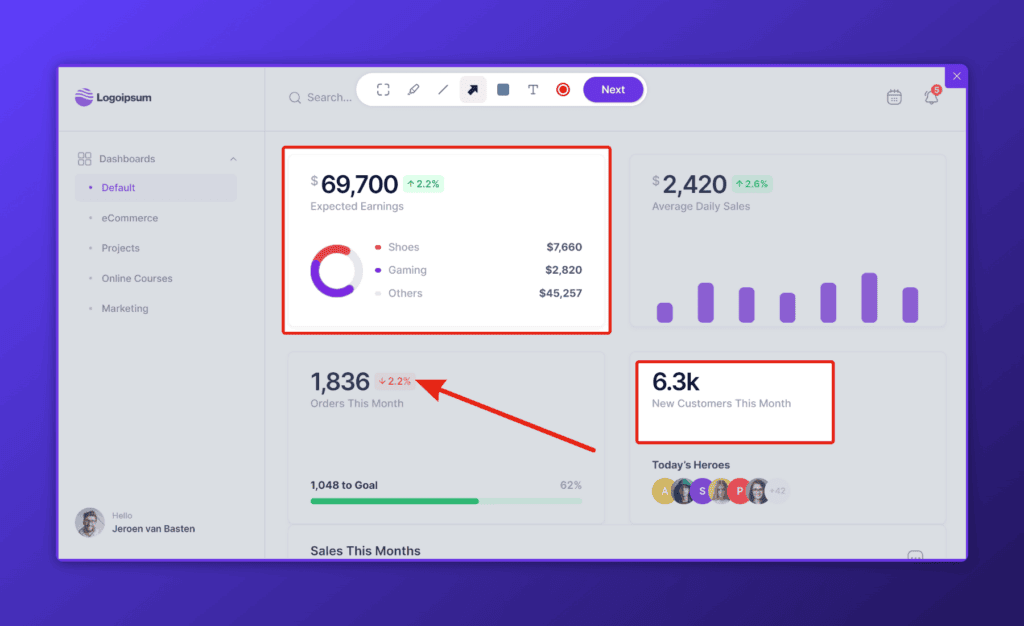
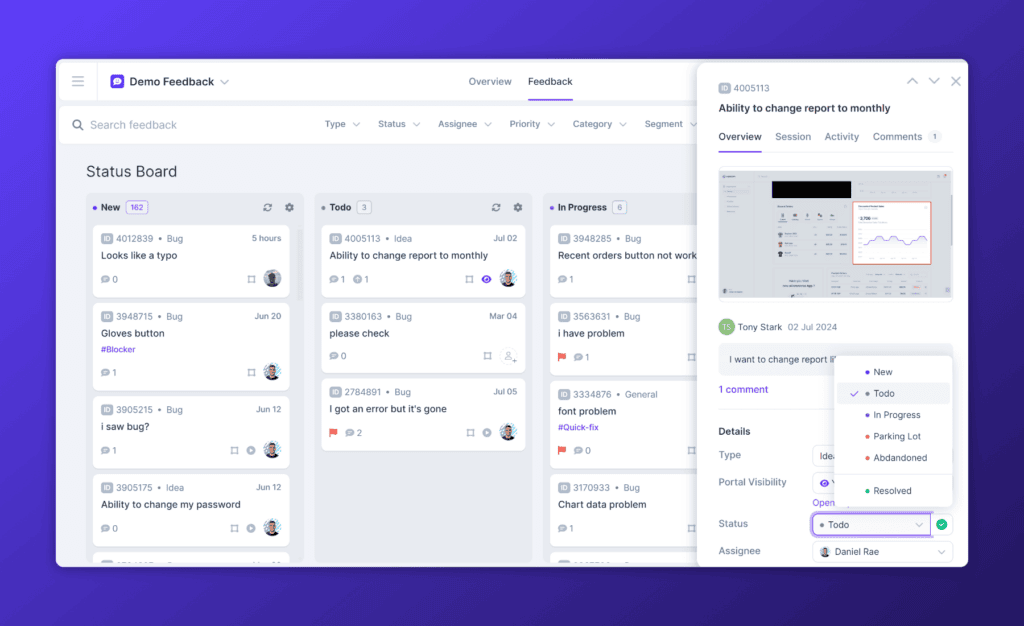
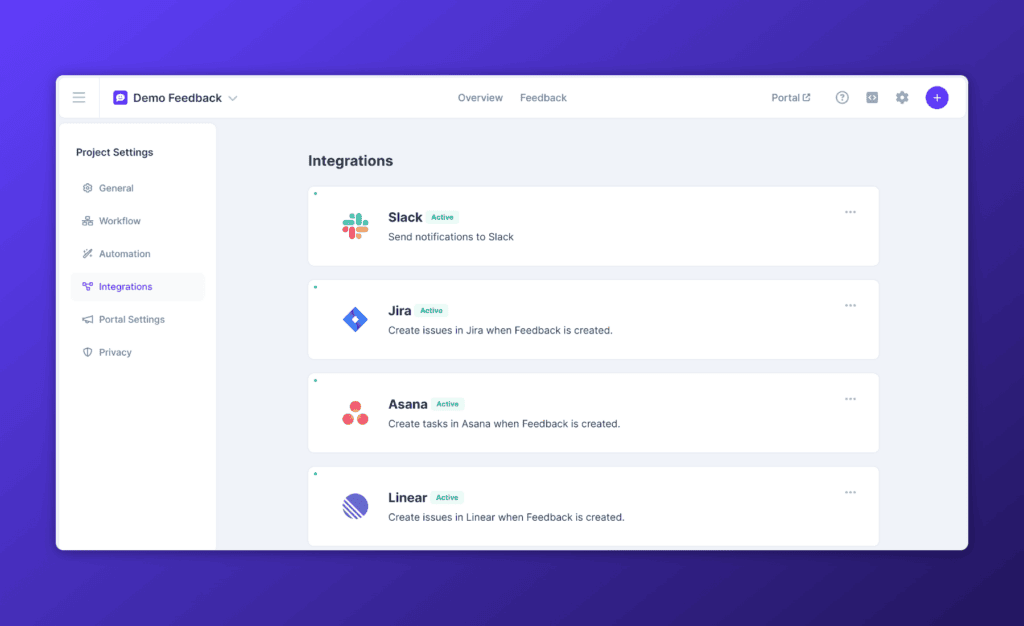
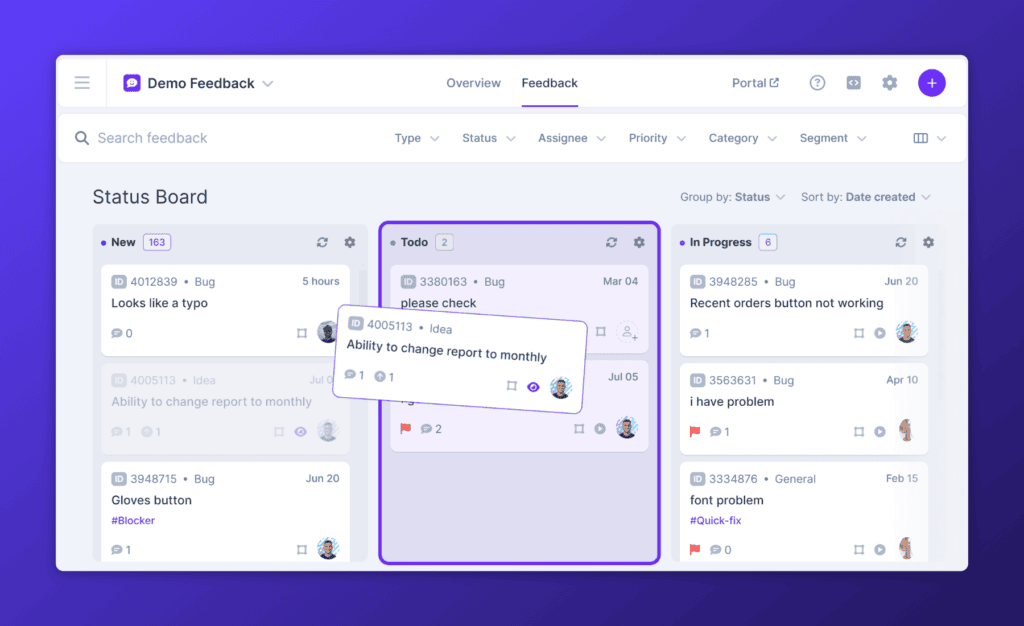
Feedback platforms like Userback let businesses gather in-app feedback, visual bug reports, and session replays to better understand user experiences.
3. Organizing and Categorizing Feedback
Once feedback has been collected, the next step is organizing it into categories that can be easily analyzed. This process ensures that the feedback is not only structured but also ready for actionable insights.
Tagging and Classification
Classifying feedback into themes, such as product issues, feature requests, or customer service experiences, makes it easier to identify trends. Tagging feedback based on specific keywords or categories can help streamline the customer feedback analysis process.
Prioritization
Not all feedback is created equal. It’s essential to prioritize feedback based on its impact. You can use frameworks like the Eisenhower Matrix (urgent vs. important) or the MoSCoW Method (Must have, Should have, Could have, Won’t have) to help decide what actions to take.
4. How To Perform Customer Feedback Analysis
Analyzing customer feedback data can be done through both qualitative and quantitative methods, each offering different perspectives on customer experiences.
Qualitative Feedback Analysis
Qualitative feedback involves looking at open-ended feedback and identifying patterns, themes, and sentiments. This approach is useful for understanding customer interactions, emotions, frustrations, and specific suggestions. For example, analyzing customer complaints about a product’s usability might reveal common pain points, such as confusing navigation.
Quantitative Feedback Analysis
Quantitative feedback, on the other hand, deals with numerical data captured via methods such as customer surveys. Metrics like Net Promoter Score (NPS), Customer Satisfaction Score (CSAT), and Customer Effort Score (CES) provide a measurable way to assess overall customer sentiment.
Advanced Feedback Analytics
Advanced analytics, including machine learning and artificial intelligence, can help businesses gain deeper insights. For instance, text and sentiment analysis tools can process large volumes of feedback to determine whether customers’ feelings are positive, negative, or neutral. Predictive analytics can help forecast future trends, enabling businesses to act on customer feedback proactively.
Customer Sentiment Analysis
Sentiment analysis is a technique used to determine the emotional tone behind a piece of text, helping businesses understand how customers feel about their products, services, or brand. This process involves analyzing customer feedback, reviews, social media posts, or survey responses to categorize sentiments as positive, negative, or neutral. By using natural language processing (NLP) algorithms, sentiment analysis can detect subtle emotions, such as anger, happiness, frustration, or satisfaction. This allows businesses to gauge overall customer sentiment, identify potential issues, and monitor brand health in real-time. Ultimately, sentiment analysis helps businesses respond proactively to customer concerns, improve customer experience, and make informed decisions based on emotional data.
5. Analyze Customer Feedback For Actionable Insights
The ultimate goal is to use customer feedback analysis to drive change. Once customer feedback is analyzed, businesses need to take action and transform that feedback into actionable insights.
Identifying Areas for Improvement
Feedback often uncovers areas where a product or service needs improvement. Analyzing customer complaints, for example, can point out recurring issues that need to be addressed in the next product iteration. This can include enhancing product features, fixing bugs, or improving customer service processes.
Seizing Opportunities
In addition to addressing pain points, feedback can also highlight new opportunities. For instance, a common request for a new feature may reveal an untapped market or a potential product extension. Listening to feedback can also inform new customer acquisition strategies and help personalize marketing efforts.
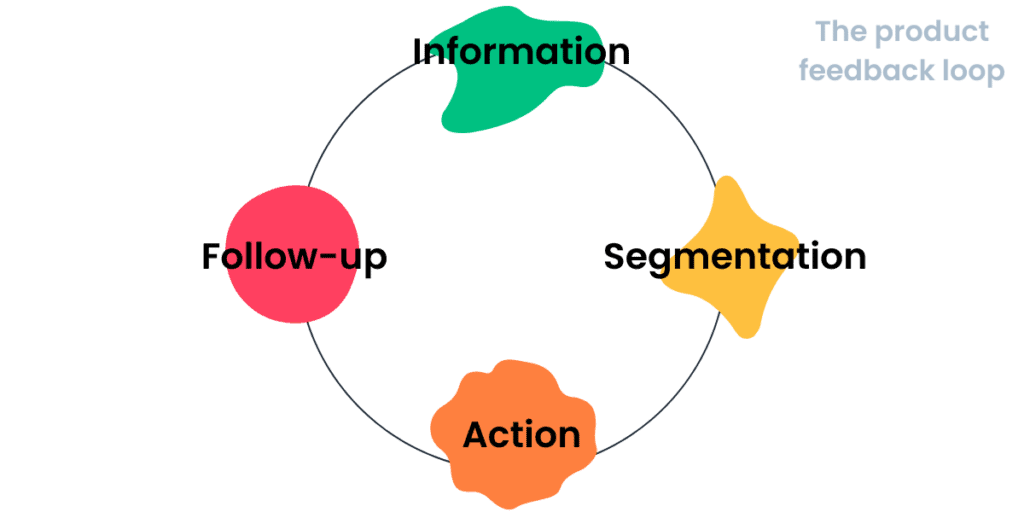
Closing the Loop
It’s crucial to close the feedback loop by informing customers that their input is valued and acted upon. Acknowledging their contributions and making visible changes based on their feedback can strengthen customer loyalty and trust.
6. Leveraging Effective Customer Feedback Analysis for Business Growth
Customer feedback is not just about fixing problems—it’s a powerful tool for driving business growth.
Product Development
By incorporating feedback into the development cycle, businesses can ensure their products meet customer needs which is one of the main benefits of customer feedback analysis. Using feedback to guide product roadmap decisions and prioritizing features that customers want can significantly enhance product value.
Customer Retention
Acting on feedback helps increase customer satisfaction and retention. By using customer insights to offer a personalized experience, businesses can build long-term relationships with customers and reduce churn.
Marketing and Sales
Customer feedback can also enhance marketing and sales strategies. Positive comments expressed in customer feedback can be repurposed as testimonials, case studies, or reviews that provide social proof and attract new customers.
7. Customer Feedback Analysis Tools
A wide range of tools are available to help businesses collect and analyze customer feedback. Some of the most popular tools include:
- Userback for in-app feedback collection and visual bug reports
- Zendesk for managing customer support interactions and tickets
- SurveyMonkey for detailed surveys and reports
When selecting a customer feedback tool, businesses should consider their specific needs, such as the type of feedback they need to collect, their target audience, and how they plan to integrate feedback analysis into their workflows.
Looking for customer feedback analysis tools?
Userback is an all-in-one feedback solution for product teams to collect more feedback and act on it faster.
8. Overcoming Common Challenges in Customer Feedback Analysis
Analyzing customer feedback can be complex, but addressing common challenges ensures valuable insights lead to better decisions:
- Handling Large Volumes of Feedback – Use AI-driven categorization and tagging to sort feedback efficiently.
- Identifying Actionable Insights – Prioritize feedback based on frequency, impact, and alignment with business goals.
- Avoiding Bias in Interpretation – Establish clear criteria and involve multiple team members in analysis.
- Closing the Feedback Loop – Communicate updates to users, showing their input drives real improvements.
- Integrating Feedback Across Teams – Centralize feedback in a shared product feedback tool to keep product, support, and engineering aligned.
By streamlining the customer feedback process, teams can turn raw feedback into meaningful product improvements.
9. Measuring the Impact of Customer Feedback Analysis
To measure the impact of customer feedback analysis, businesses should track key performance indicators (KPIs) that reflect user sentiment and engagement. Monitoring metrics like Net Promoter Score (NPS), Customer Satisfaction Score (CSAT), and Customer Effort Score (CES) can reveal how well feedback-driven improvements enhance the user experience. Additionally, analyzing product adoption rates helps determine if changes based on customer input lead to increased engagement and feature usage.
Beyond product improvements, feedback analysis should also be evaluated for its impact on operational efficiency. Tracking resolution times for reported issues can indicate whether feedback is helping teams address concerns more effectively. Similarly, measuring customer retention and churn rates provides insight into whether acting on feedback contributes to long-term loyalty.
Finally, businesses should assess internal alignment by evaluating how well teams integrate feedback into decision-making. A centralized system for managing feedback can streamline collaboration, ensuring insights translate into meaningful improvements. By consistently tracking these factors, companies can refine their approach and maximize the value of customer feedback.
Final thoughts
Customer feedback analysis is an ongoing process that plays a vital role in shaping business strategies. By collecting, organizing, and analyzing customer feedback effectively, businesses can make data-driven decisions that improve customer satisfaction, foster loyalty, and ultimately drive growth. The insights gained from feedback are invaluable, allowing businesses to stay competitive and responsive to ever-evolving customer needs.
Ready to perform customer feedback analysis?
Try Userback for free and start analyzing customer feedback from your website.